GeneralTop StoryTop StoryLatest News
Angh Review: Theja Rio Weighs Progress Against Cultural Loss in Nagaland
Sentiment: NeutralHigh Priority
What Happened?
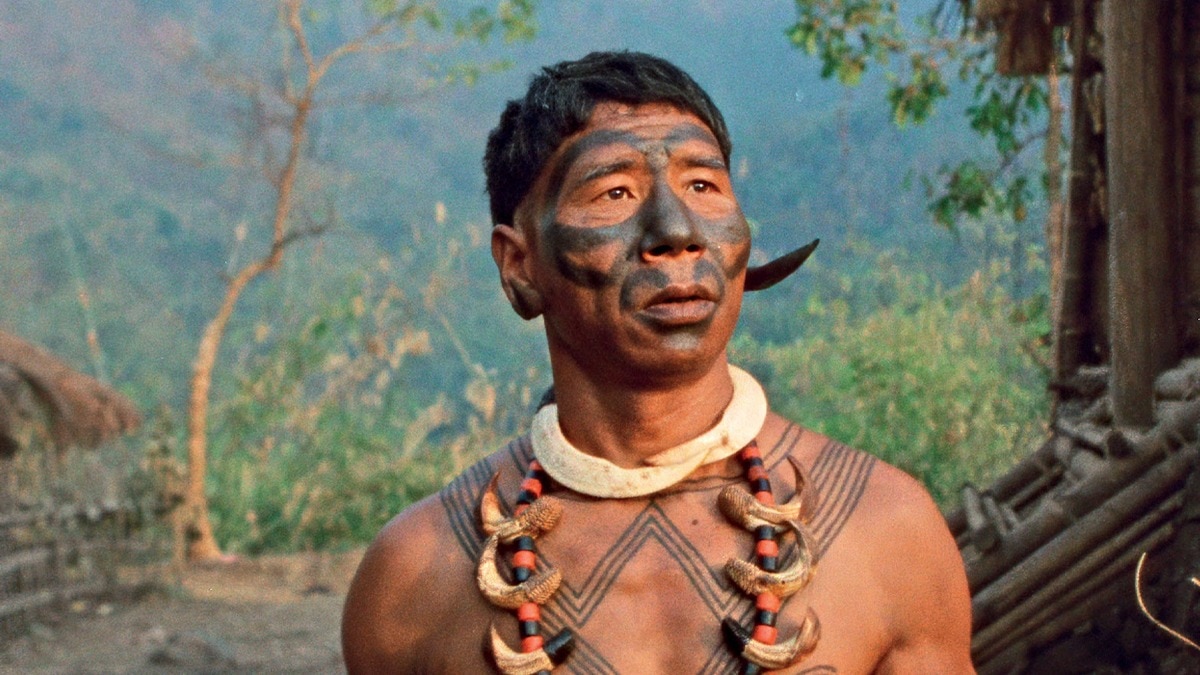
Theja Rio's film 'Angh' explores the conflict between cultural preservation and modernity in Nagaland during the 1960s. It follows village chief Anghba as he grapples with the changes brought by American missionaries.
Key points
- The film is set in Nagaland during the early 1960s.
- Anghba, the village chief, struggles to maintain traditions amid cultural changes.
- His son, Amao, is drawn to the outside world and new opportunities.
- A pivotal moment occurs when a child is scolded for speaking his native language.
- The film is shot in an indigenous language, enhancing its authenticity.
- Sagar Desai's score combines cello with tribal sounds, deepening emotional tension.
Key insights
- The film highlights the generational divide in understanding cultural change.
- It suggests that progress may come at the expense of cultural heritage.
- The portrayal of language as a connection to identity emphasizes its importance.
- The film's indigenous language choice underscores the significance of cultural authenticity.
Why it matters
The film raises important questions about cultural identity and the cost of progress.
Tags
Entities
Theja Rio· PersonNagaland· LocationAnghba· PersonAmao· PersonSagar Desai· Person
Source
India Today