GeneralBreaking NewsBreakingLatest News
Bangladesh Blames Sheikh Hasina as Garment Wage Protests Shut Nearly 1,000 Factories
Sentiment: NeutralHigh Priority
What Happened?
Bangladesh's government has accused former Prime Minister Sheikh Hasina of inciting protests by garment workers demanding higher wages. Nearly 1,000 factories have closed due to the unrest.
Key points
- Protests by garment workers in Bangladesh have entered their fourth day.
- Workers demand a minimum wage of 30,000 taka, more than double the current 12,500 taka.
- The unrest has led to the closure of nearly 1,000 factories since October 31.
- Prime Minister's adviser accused Hasina of being behind the protests.
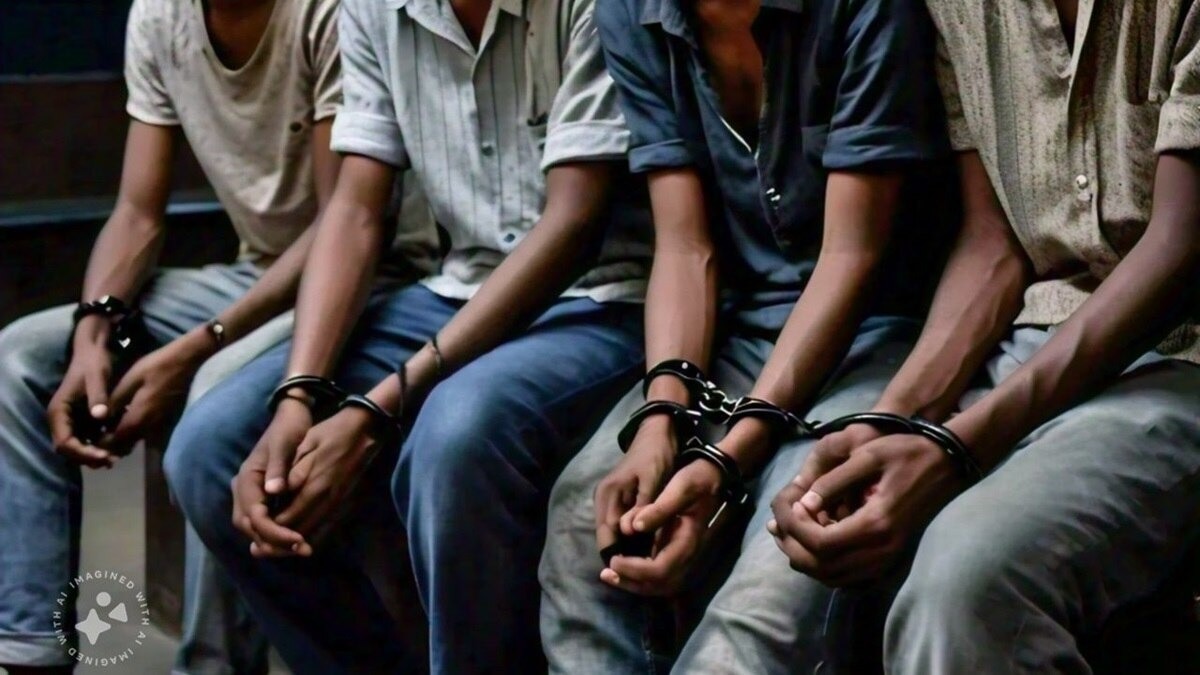
- Police have arrested over 100 people linked to the unrest.
Key insights
- The unrest may lead to delays in shipments during the peak production season.
- Increased factory closures could weaken buyer confidence in Bangladesh's garment sector.
- The government's response to the protests may influence future labor relations.
Why it matters
The protests could significantly impact Bangladesh's garment industry, which is crucial for the country's economy.
Entities
Bangladesh· CountrySheikh Hasina· PersonBangladesh Garment Manufacturers and Exporters Association· Organization
Source
India Today