GeneralBreaking NewsBreakingLatest News
Workers' Wage Protests Threaten Bangladesh's $40 Billion Garment Industry
Sentiment: NegativeHigh Priority
What Happened?
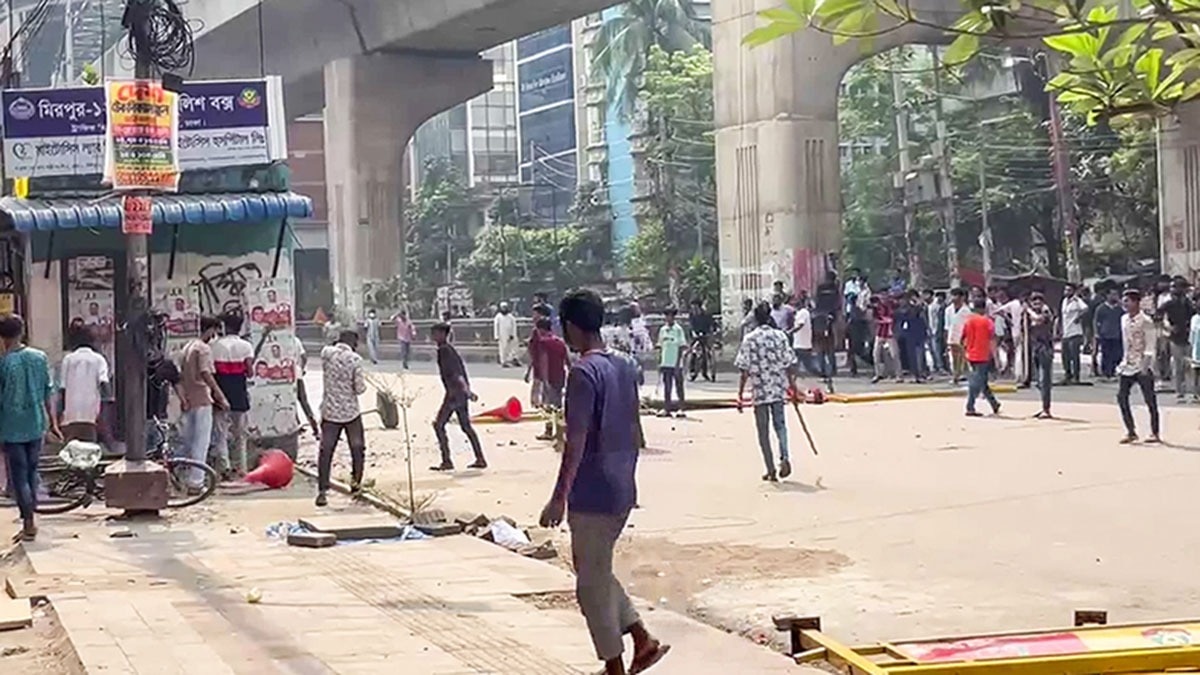
Protests for higher wages have led to the suspension of operations in hundreds of garment factories in Bangladesh, impacting the $40 billion industry. The unrest has resulted in violence and at least one death.
Key points
- Protests demanding a wage increase from Tk 12,500 to Tk 30,000 have led to the suspension of operations in 414 to 600 factories.
- At least one worker died during the protests, highlighting the unrest's severity.
- The garment industry accounts for 80-84% of Bangladesh's export earnings and employs around four million workers.
- The government has formed a Minimum Wage Board to review workers' pay, but protests continue.
- Inflation in Bangladesh is currently at 8.34%, affecting workers' purchasing power.
Key insights
- A prolonged disruption in the garment industry may lead international buyers to shift orders to other countries.
- The demand for a significant wage increase raises concerns about the economic sustainability of the garment sector.
- The ongoing protests reflect deeper issues in the labor market, including inflation and inadequate wages.
Why it matters
The protests could disrupt a key industry that significantly contributes to Bangladesh's economy and employment.
Entities
Bangladesh· CountryProthom Alo· OrganizationLaila Garments· CompanyH&M· BrandZara· BrandWalmart· BrandPrimark· BrandBabul Akhter· PersonAhsan Mansur· PersonSheikh Hasina· PersonMuhammad Yunus· Person
Source
India Today