GeneralTop StoryTop StoryLatest News
How a Bengali Brahmin Helped Transform Jaipur from Sand to Pink City
Sentiment: NeutralHigh Priority
What Happened?
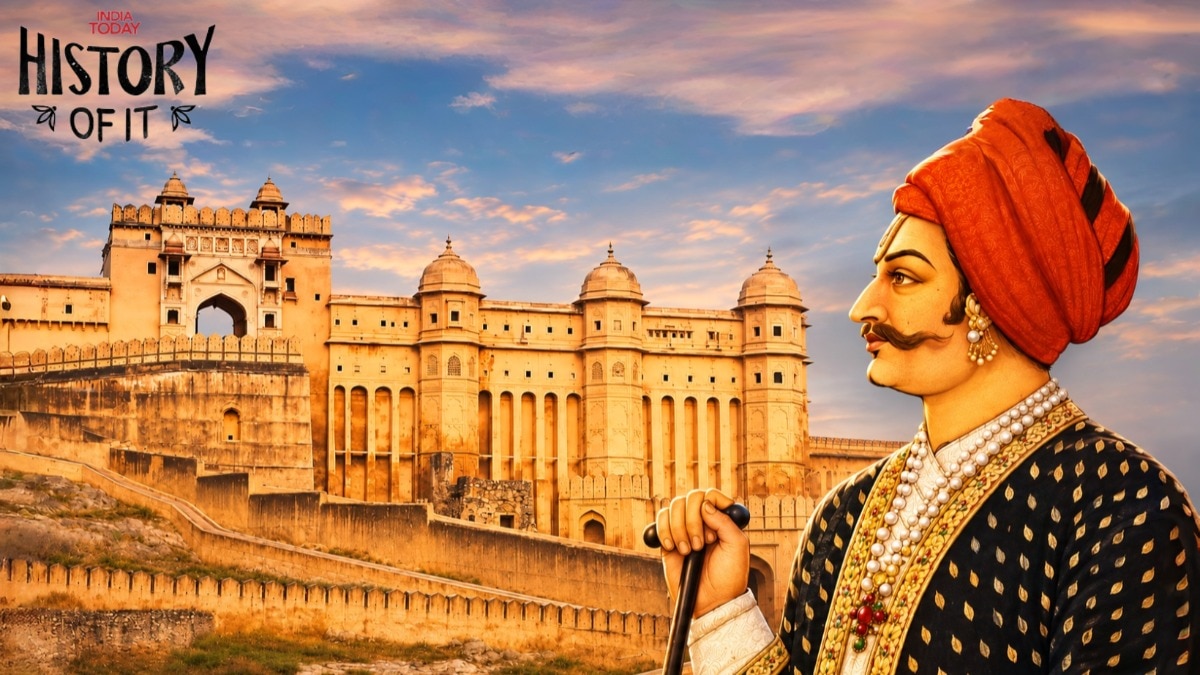
Jaipur, founded in 1727 by Maharaja Sawai Jai Singh II, was designed by Bengali Brahmin Vidyadhar Bhattacharya. The city, now celebrating its 300th anniversary, is known for its unique architecture and vibrant traditions.
Key points
- Jaipur was founded in 1727 by Maharaja Sawai Jai Singh II.
- Vidyadhar Bhattacharya, a Bengali Brahmin, was the chief architect of Jaipur.
- The city was designed to accommodate merchants and artisans, promoting trade.
- Jaipur's distinctive pink color predates the British royal visit in 1876.
- The city was recognized as a UNESCO World Heritage Site in 2019.
- Jaipur's water management system was developed due to the lack of a perennial river.
Key insights
- Jaipur's design showcases the capabilities of Indian architects during colonial times.
- The city's planning facilitated economic growth and cultural exchange.
- Jaipur's recognition as a UNESCO site may boost tourism and preservation efforts.
Why it matters
Jaipur's transformation reflects the innovative urban planning and cultural heritage of India.
Tags
Entities
Jaipur· CityVidyadhar Bhattacharya· PersonMaharaja Sawai Jai Singh II· PersonRajasthan· StateUNESCO· Organization
Source
India Today