GeneralTop StoryTop StoryLatest News
'Committed judiciary' to the Emergency: Congress's troubled judicial legacy
Sentiment: NeutralHigh Priority
What Happened?
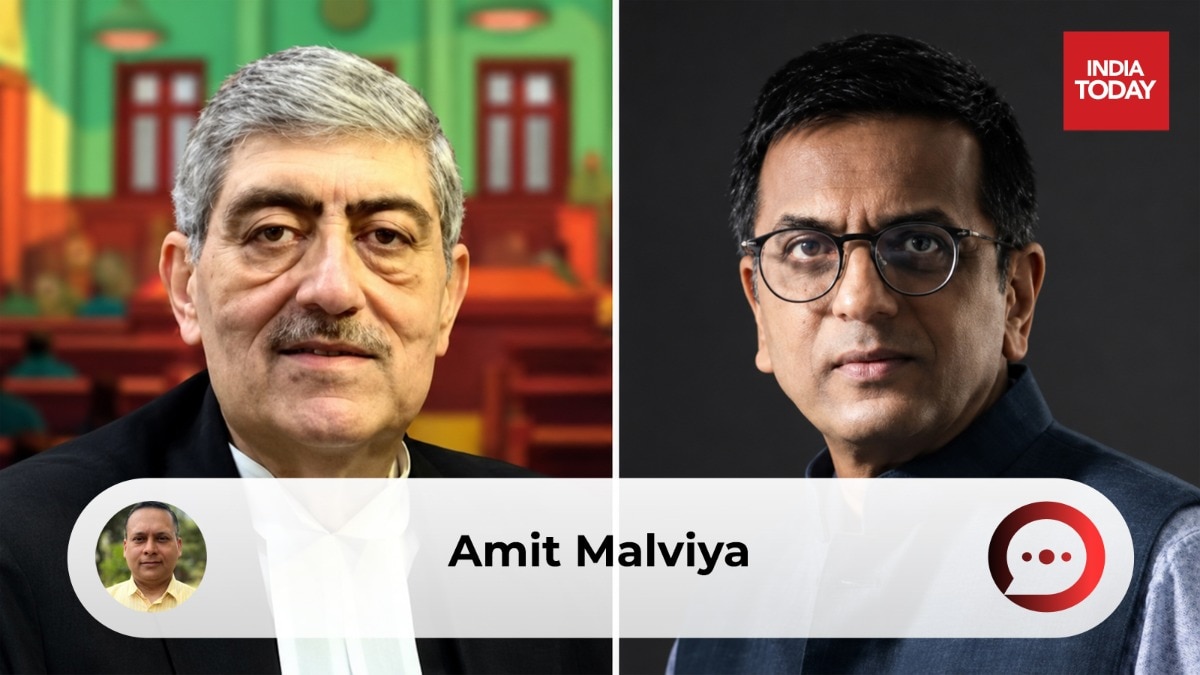
Justice SK Kaul's remarks on former Chief Justice DY Chandrachud have sparked a debate on judicial independence and the judiciary's relationship with the executive. He noted a troubling trend of judicial appointments being influenced by government discussions.
Key points
- Justice SK Kaul criticized former Chief Justice DY Chandrachud for being overly deferential to the government.
- Kaul noted that discussions about judicial appointments have been a longstanding practice.
- The Congress's historical record during Indira Gandhi's tenure shows a troubling relationship with judicial independence.
- Indira Gandhi's government appointed Justice AN Ray as Chief Justice, superseding three senior judges.
- The Emergency period saw significant curtailment of civil liberties and judicial independence.
- Justice HR Khanna's dissent during the Emergency is recognized as a pivotal defense of constitutional liberty.
Key insights
- The relationship between the judiciary and the executive remains a contentious issue in India.
- Historical instances of judicial appointments influenced by political considerations could impact current perceptions of judicial independence.
- Justice Khanna's dissent serves as a reminder of the importance of judicial courage in upholding constitutional rights.
Why it matters
The discussion highlights ongoing concerns about judicial independence in India, particularly in light of historical precedents.
Tags
Entities
Justice SK Kaul· PersonDY Chandrachud· PersonIndira Gandhi· PersonJustice AN Ray· PersonSupreme Court· OrganizationAllahabad High Court· OrganizationShah Commission· OrganizationJustice HR Khanna· PersonJustice MH Beg· PersonGauhati High Court· Organization
Source
India Today