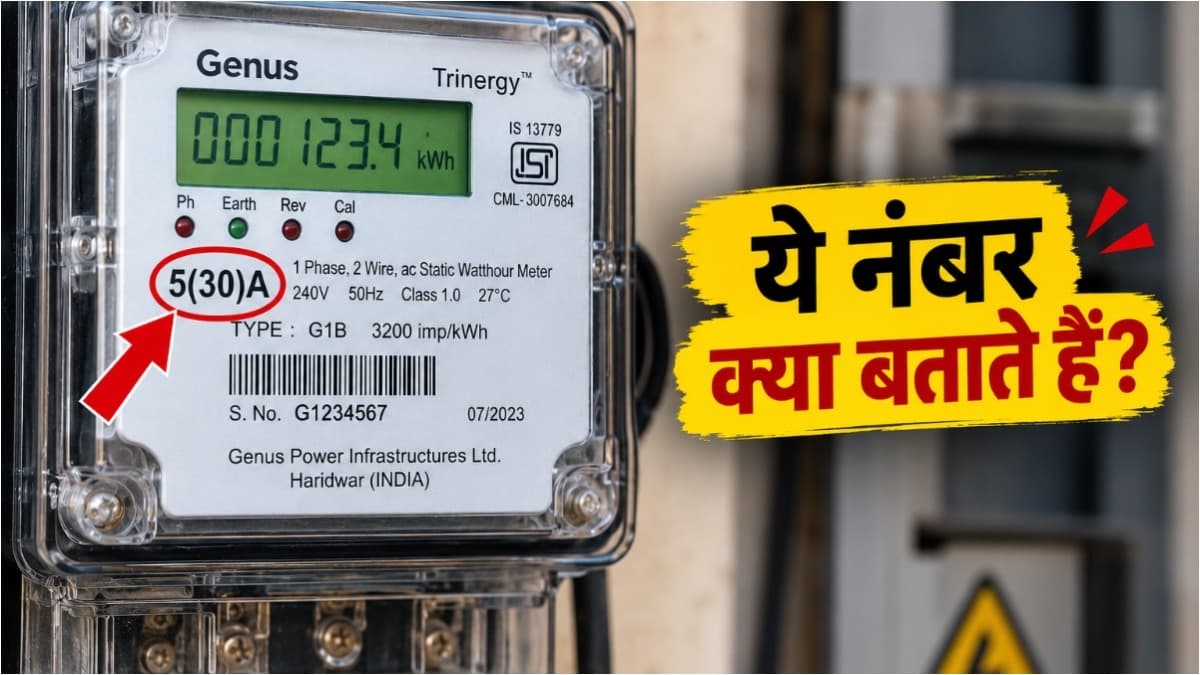
Understanding the Meaning of 5(30)A and 10(60)A on Electric Meters
Electric meters display current ratings like 5(30)A and 10(60)A. The first number indicates the basic current, while the second shows the maximum current capacity. This distinction is crucial for understanding electricity usage.
Tags
What Happened?
Electric meters display current ratings like 5(30)A and 10(60)A. The first number indicates the basic current, while the second shows the maximum current capacity. This distinction is crucial for understanding electricity usage.
Why it matters
Understanding these ratings can help consumers manage their electricity usage effectively.
Key points
- 5(30)A indicates a basic current of 5A and a maximum current of 30A.
- 10(60)A indicates a basic current of 10A and a maximum current of 60A.
- The basic current is used for reference, while the maximum current indicates the meter's capacity.
- Electric meters record only the current used by appliances, not the maximum rating.
- Understanding these ratings helps avoid misconceptions about electricity usage limits.
Key insights
- Misunderstanding current ratings can lead to incorrect assumptions about electricity limits in homes.
- The distinction between basic and maximum current is essential for safe electrical usage.
- Awareness of these ratings can help consumers avoid overloading their electrical systems.
AI Quick Summary
Electric meters display ratings like 5(30)A, indicating basic and maximum current capacities, crucial for understanding electricity usage.
Source
India Today