GeneralLatest NewsLatest News
Garud Puran: Why Does the Eldest Son Perform the Last Rites for His Father?
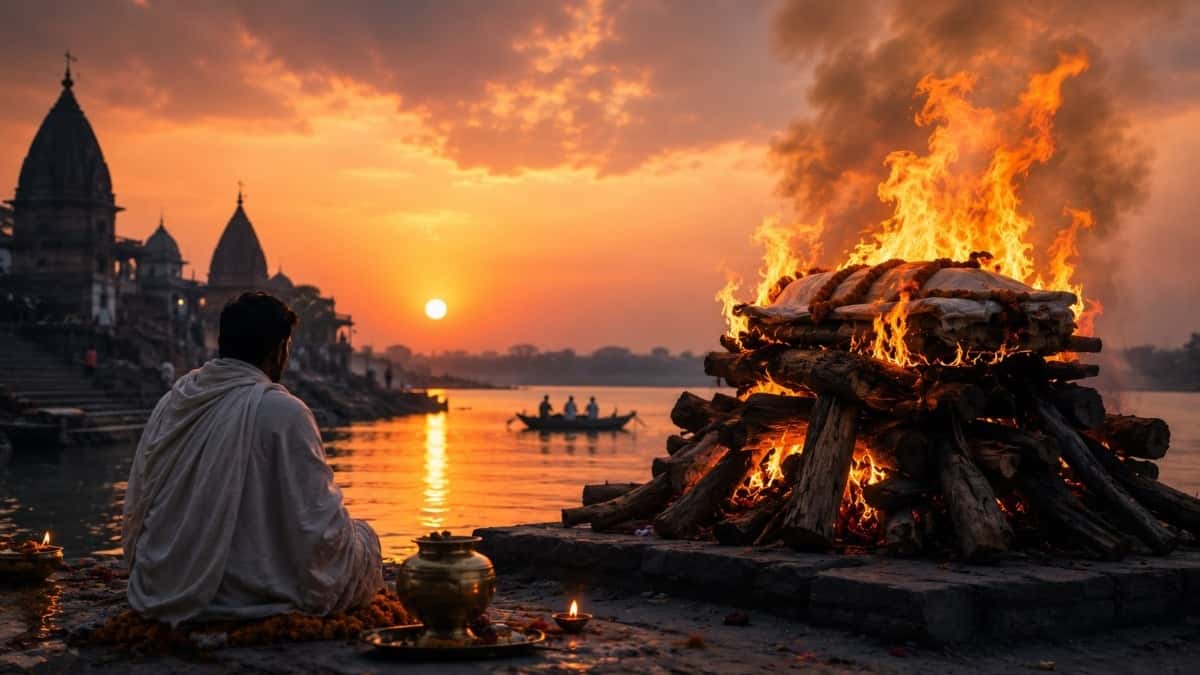
In Hindu tradition, the eldest son is often tasked with performing the last rites for his deceased father. This practice is rooted in religious beliefs and family duties.
Confidence: 90%Sentiment: NeutralMedium Priority
Tags
What Happened?
In Hindu tradition, the eldest son is often tasked with performing the last rites for his deceased father. This practice is rooted in religious beliefs and family duties.
Why it matters
Understanding these traditions can provide insight into Hindu cultural practices surrounding death.
Key points
- The eldest son traditionally performs the last rites for his father in Hindu culture.
- This practice is seen as a way for the son to fulfill his duties towards his parents.
- Different communities may have varying customs regarding who can perform the last rites.
- Religious beliefs associate the son with helping parents achieve peace after death.
- The last rites are considered crucial for the soul's journey after death.
Key insights
- The tradition emphasizes the son's role in family duties and religious obligations.
- Variations in customs reflect the diversity within Hindu practices.
- The last rites are believed to aid the deceased's soul in its journey.
AI Quick Summary
The article explores why the eldest son performs last rites for his father in Hindu tradition, highlighting cultural and religious significance.
Source
India Today