Garud Puran: Can Women Perform Shradh, Tarpan, or Pinddaan?
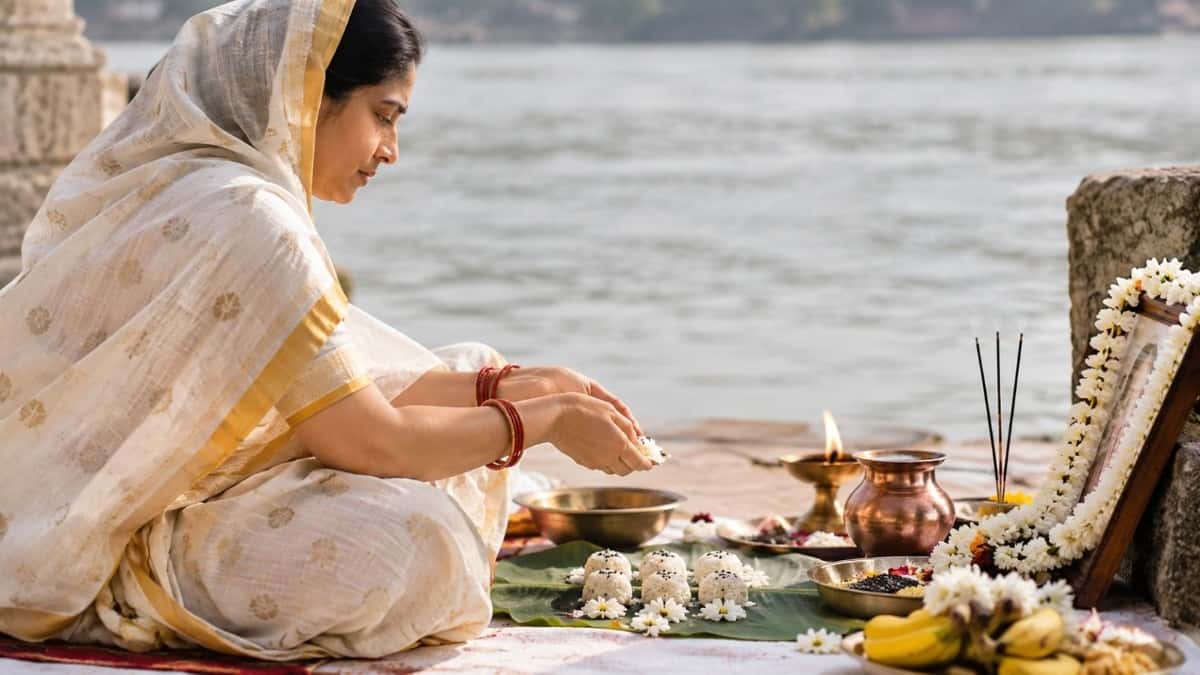
The Garud Puran discusses the significance of Shradh, Tarpan, and Pinddaan for the peace of ancestors' souls. Traditionally, these rites are performed by male family members, leading to the belief that women cannot perform them. However, scriptures indicate that women can conduct these rites under certain circumstances.
Tags
What Happened?
The Garud Puran discusses the significance of Shradh, Tarpan, and Pinddaan for the peace of ancestors' souls. Traditionally, these rites are performed by male family members, leading to the belief that women cannot perform them. However, scriptures indicate that women can conduct these rites under certain circumstances.
Why it matters
Understanding women's roles in these rites could empower families to honor their ancestors appropriately.
Key points
- Garud Puran emphasizes the importance of Shradh, Tarpan, and Pinddaan for honoring ancestors.
- Traditionally, these rites are performed by male family members.
- Scriptures indicate that women can perform these rites if no male heirs are present.
- Examples from mythology, such as Sita performing Pinddaan for Dasharath, support women's participation.
- Different traditions may have varying rules regarding women's roles in these rites.
Key insights
- The inclusion of women in Shradh rites may challenge traditional gender roles in Hindu practices.
- This could lead to broader acceptance of women's participation in religious ceremonies.
- Understanding these practices may foster a more inclusive approach to ancestral rites.
AI Quick Summary
The Garud Puran reveals that women can perform Shradh and Pinddaan under certain conditions, challenging traditional beliefs.
Source
India Today