GeneralLatest NewsLatest News
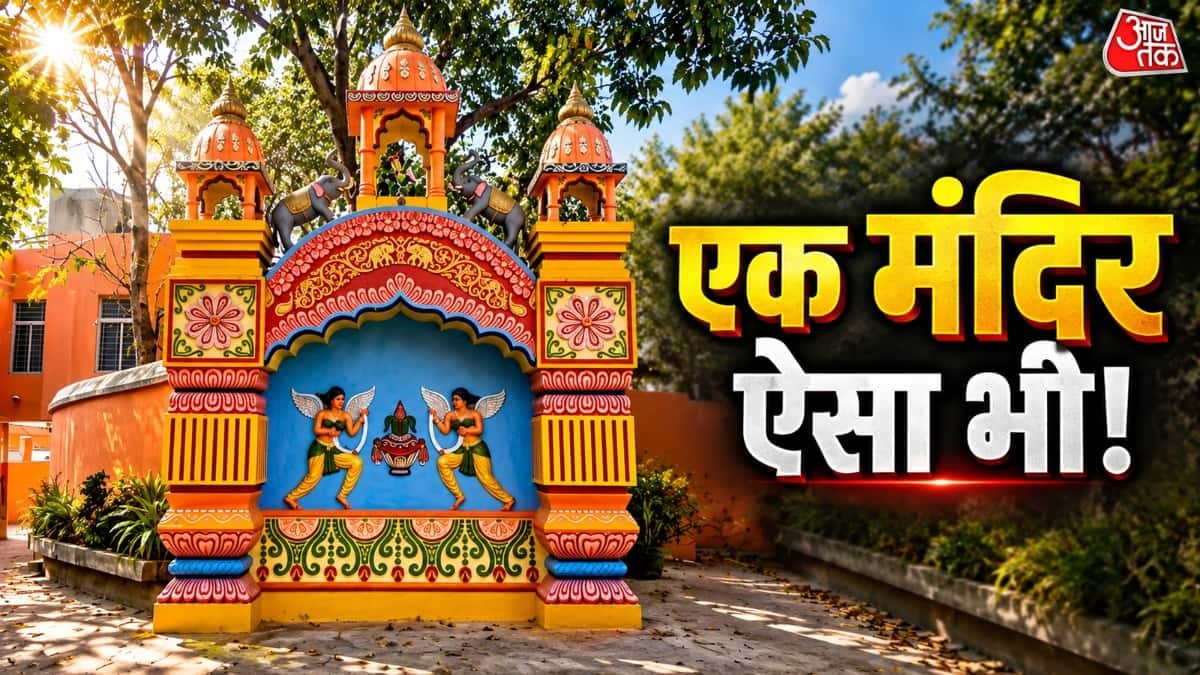
Hathi Kheda Thakur Temple: A 300-Year-Old Mystery Where Elephants Are Worshipped
Located in Jharkhand's East Singhbhum district, the Hathi Kheda Thakur Temple is unique for its worship of clay elephants instead of traditional deities. This practice dates back around 300 years.
Confidence: 90%Sentiment: NeutralMedium Priority
Tags
Entities
Hathi Kheda Thakur Temple· LocationJharkhand· State
What Happened?
Located in Jharkhand's East Singhbhum district, the Hathi Kheda Thakur Temple is unique for its worship of clay elephants instead of traditional deities. This practice dates back around 300 years.
Why it matters
The temple's unique practices highlight the intersection of local culture and religious beliefs.
Key points
- The temple is located in East Singhbhum, Jharkhand.
- Worship involves clay elephants instead of traditional idols.
- The practice is believed to be around 300 years old.
- Local tradition suggests that clay elephants were created to ward off wild elephants.
- The temple attracts large crowds during festivals and on Sundays and Tuesdays.
- Animal sacrifice is part of some local religious practices.
Key insights
- The temple's worship practices may influence local cultural identity.
- The tradition of clay elephants could attract more tourism to the area.
- Animal sacrifice traditions may raise ethical discussions among visitors.
AI Quick Summary
The Hathi Kheda Thakur Temple in Jharkhand is known for its unique worship of clay elephants, a tradition believed to be 300 years old.
Source
India Today