GeneralBreaking NewsBreakingLatest News
Why India’s New Privacy Law Has Newsrooms Worried
Sentiment: NeutralHigh Priority
What Happened?
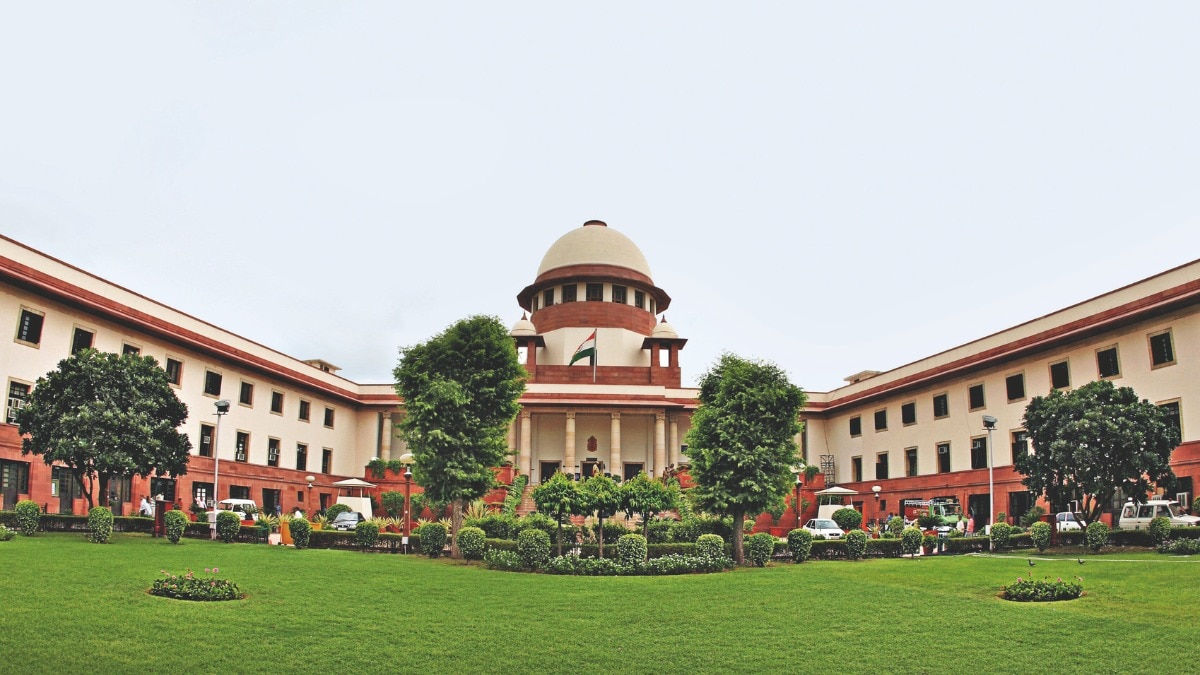
The Digital News Publishers Association has challenged India's Digital Personal Data Protection Act in the Supreme Court, citing concerns over its impact on journalism. The law, effective from May 2027, lacks specific exemptions for public-interest journalism.
Key points
- The DNPA represents 21 major digital news publishers in India.
- The Supreme Court will hear the case on November 17, 2026.
- The DPDP Act requires consent for processing personal data but lacks exemptions for journalism.
- The law allows the government to demand information without judicial oversight.
- Penalties for non-compliance can reach up to Rs 250 crore.
- Publishers fear the law could lead to censorship and hinder investigative journalism.
Key insights
- The lack of a journalism exemption may lead to increased self-censorship among reporters.
- Potential penalties could disproportionately affect smaller news organizations.
- The government's broad powers to demand information could threaten journalistic confidentiality.
Why it matters
The outcome of this legal challenge could significantly impact how journalism is conducted in India.
Tags
Entities
Digital News Publishers Association· OrganizationSupreme Court· OrganizationIndia· CountryK.S. Puttaswamy· PersonMukesh Ambani· PersonGautam Adani· PersonLok Sabha· Organization
Source
India Today