GeneralTop StoryTop StoryLatest News
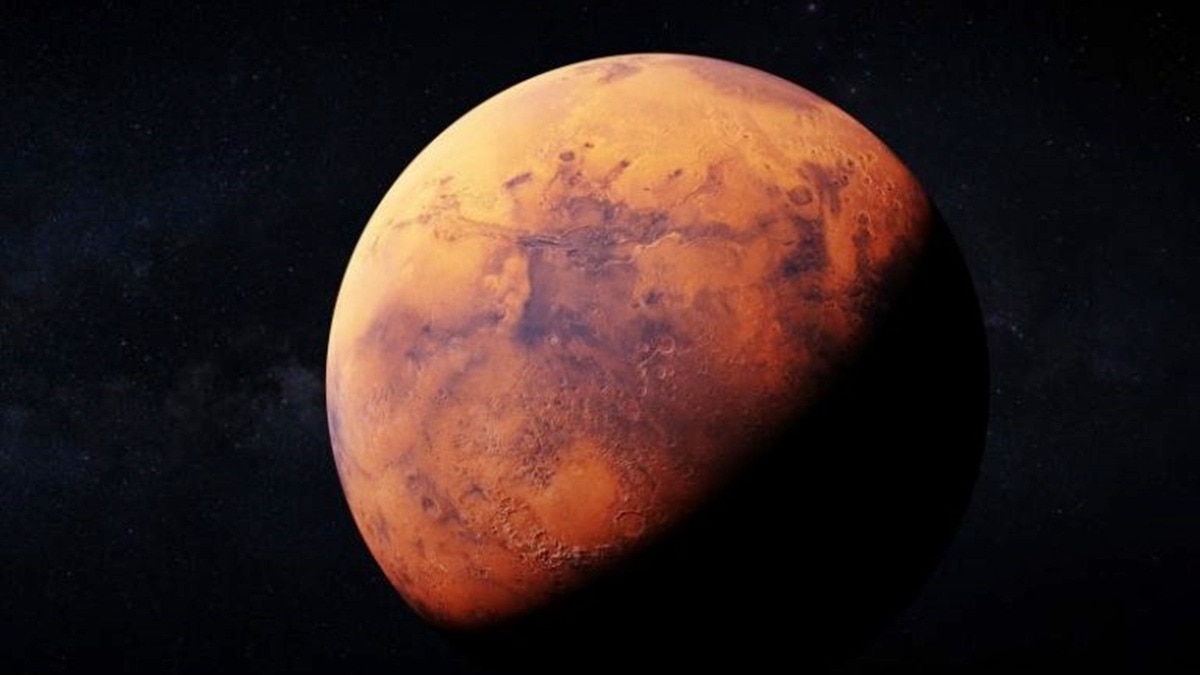
Mars is not dead: New discovery reveals the Red Planet is breathing
Sentiment: NeutralHigh Priority
What Happened?
A new study suggests Mars may still be geologically active, with gases seeping from volcanic fissures. This discovery indicates potential volcanic activity beneath the surface.
Key points
- Mars shows signs of volcanic activity based on new observations.
- Hydrogen chloride gas was detected above fissures on Alba Mons.
- The study was published in Science Advances on November 4, 2026.
- Seasonal patterns of gas concentrations were noted, with spikes in early summer.
- Fissures may allow gases from a dormant magma chamber to escape.
- The discovery could have implications for the search for microbial life.
Key insights
- If magma interacts with underground water, it may create environments suitable for life.
- The presence of volcanic gases suggests Mars may still have internal heat.
- Future missions could focus on the fissures for signs of past or present life.
Why it matters
The discovery could enhance our understanding of Mars' geological activity and its potential to support life.
Entities
Mars· LocationEuropean Space Agency· OrganizationExoMars Trace Gas Orbiter· TechnologyAlba Mons· LocationScience Advances· EventAlexander Trokhimovskiy· PersonDaniel Mege· Person
Source
India Today