GeneralTop StoryTop StoryLatest News
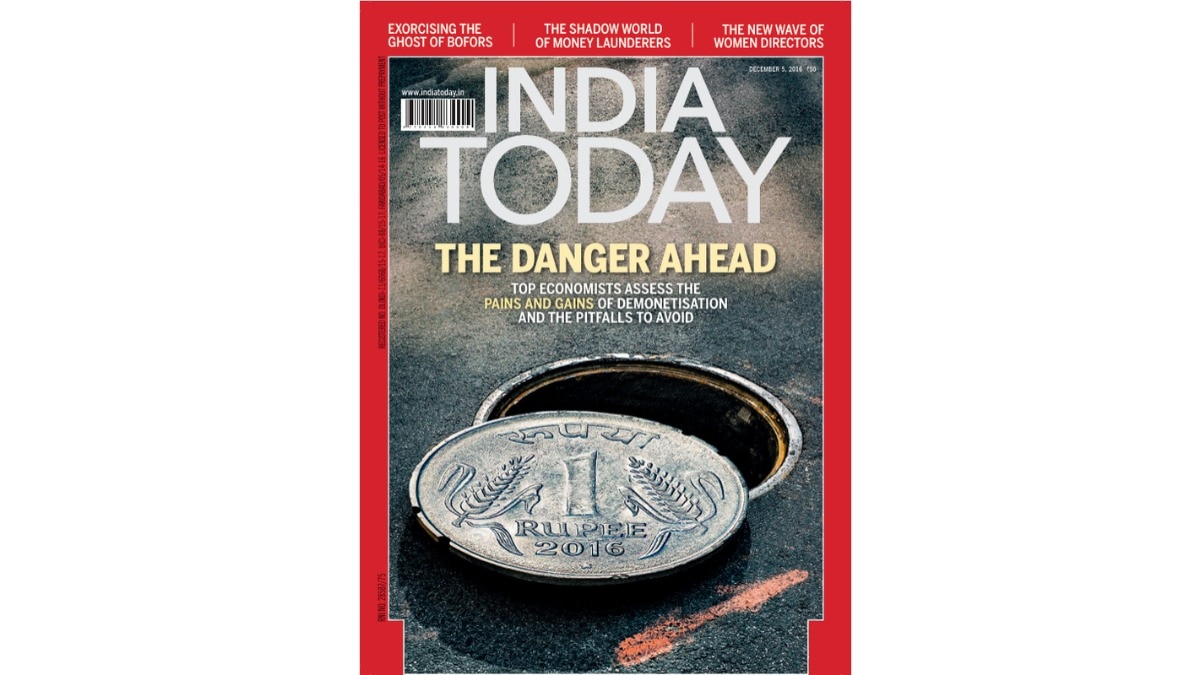
Looking Back at Modi’s Demonetisation: A 2016 Retrospective
Sentiment: NeutralHigh Priority
What Happened?
In November 2016, Prime Minister Modi's demonetisation led to significant economic disruption, affecting markets and livelihoods across India. The sudden withdrawal of high-value notes caused a sharp decline in trade and economic activity.
Key points
- Demonetisation was announced on November 8, 2016, leading to a 50% drop in prices at wholesale markets.
- Trade in perishable goods and daily wages in small industries began to decline significantly.
- The cash crunch affected around 482 million people reliant on cash incomes.
- GDP growth was projected to decline by 0.5-1 percentage points in the following months.
- The construction sector faced severe impacts, with a predicted 15-20% drop in cement demand.
Key insights
- The economic disruption may lead to long-term changes in consumer behavior and spending patterns.
- The informal sector, which constitutes a large part of the economy, faced immediate challenges due to cash shortages.
- Future economic policies may need to address the vulnerabilities exposed by the demonetisation process.
Why it matters
The demonetisation move significantly impacted the livelihoods of millions and reshaped economic activities across various sectors.
Source
India Today