GeneralTop StoryTop StoryLatest News
NASA's Simulated Mars Mission Completes One Year of Isolation
Sentiment: NeutralHigh Priority
What Happened?
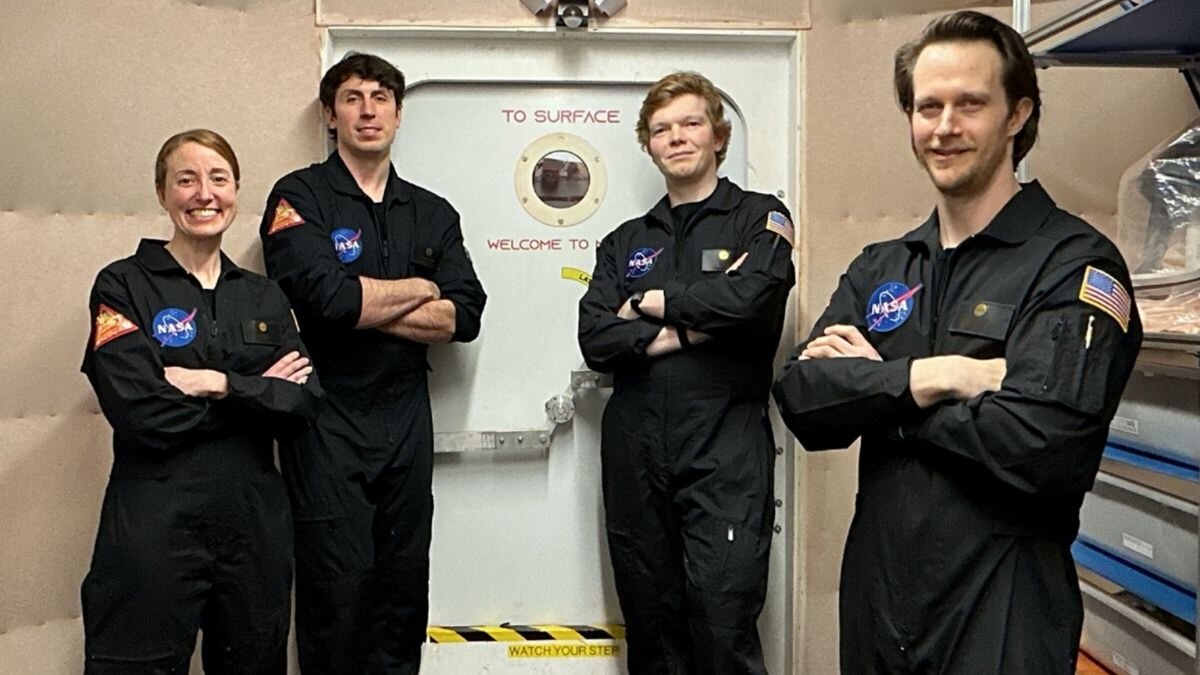
Four volunteers have completed a year in NASA's simulated Mars habitat in Houston, studying astronaut health and performance for future space missions. They will exit the habitat on October 31, 2026.
Key points
- The CHAPEA Mission 2 crew includes Ross Elder, Ellen Ellis, Matthew Montgomery, and James Spicer.
- The mission aims to replicate the challenges of living on Mars for 378 days.
- Crew members have been growing crops and managing resources during their isolation.
- Communication with the outside world was restricted to simulate Mars-like conditions.
- NASA will analyze data collected to improve astronaut health and decision-making during long missions.
Key insights
- Understanding isolation effects may lead to better psychological support systems for astronauts.
- The mission's data could inform future Mars expeditions and lunar operations.
- Improved decision-making tools could enhance astronaut autonomy during missions.
Why it matters
The findings from this mission could enhance future astronaut health and operational strategies for long-duration space travel.
Entities
NASA· OrganizationHouston· CityMars· Planet
Source
India Today