ScienceTop StoryTop StoryLatest News
NIT Rourkela Develops Solar-Powered EV Charging System for Grid Stability
Sentiment: NeutralHigh Priority
What Happened?
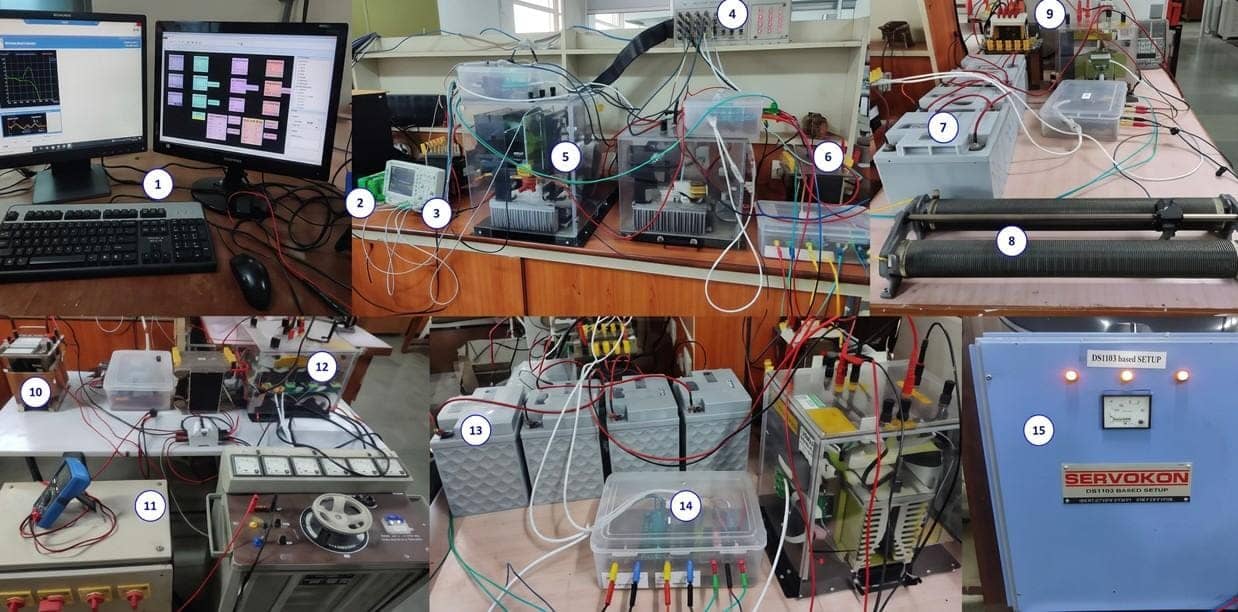
Researchers at NIT Rourkela have created a solar-powered EV charging microgrid to enhance efficiency and reliability while reducing stress on conventional power grids. The technology integrates solar panels, energy storage, and intelligent power management.
Key points
- The developed microgrid combines solar panels, conventional electricity grid, and a hybrid energy storage system.
- Researchers secured a patent for the technology addressing challenges in EV charging infrastructure.
- The system uses batteries for sustained demands and supercapacitors for rapid response to fluctuations.
- An improved mixed droop control technique regulates power distribution among energy sources.
- The technology supports both grid-to-vehicle (G2V) and vehicle-to-grid (V2G) operations.
Key insights
- The integration of solar energy and hybrid storage could significantly reduce reliance on conventional power sources.
- This technology may help alleviate stress on local distribution networks during peak charging times.
- The ability to manage energy flows in both directions could enhance grid resilience and stability.
Why it matters
This development could enhance the efficiency of EV charging infrastructure, supporting India's transition to electric mobility.
Tags
Entities
NIT Rourkela· OrganizationIndia· Country
Source
Business Standard