GeneralTop StoryTop StoryLatest News
Oxford Museum Returns Remains of 39 Naga People
Sentiment: NeutralHigh Priority
What Happened?
An Oxford University museum returned the remains of 39 individuals taken during colonial rule in India to the Naga community. The ceremony was attended by nearly 30 community members from Nagaland.
Key points
- The handover ceremony was described as a 'historic moment' by museum director Laura Van Broekhoven.
- The remains included mainly skulls and were collected between 1910 and 1940.
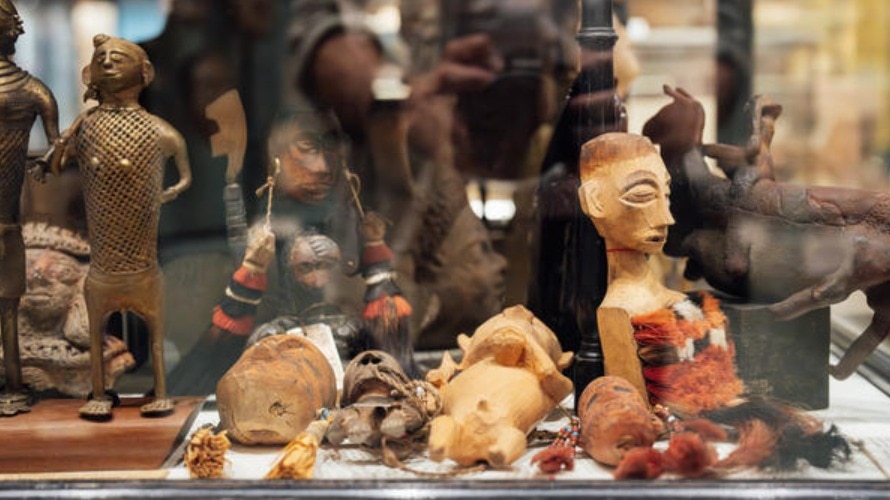
- The museum has the largest collection of Naga cultural objects in the world, totaling over 6,000 items.
- The Naga leaders plan to bury the remains under a joint memorial.
- The museum removed all human remains from display in 2020, with around 2,700 still in storage.
Key insights
- The repatriation could strengthen cultural ties between the Naga people and their ancestral heritage.
- This event may encourage other museums to reassess their collections and return items to Indigenous communities.
- The formal agreement signed during the ceremony signifies a step towards reconciliation and healing.
Why it matters
This return of remains highlights ongoing efforts to address historical injustices faced by Indigenous communities.
Tags
Entities
Oxford University· OrganizationNaga community· OrganizationPitt Rivers Museum· OrganizationNagaland· LocationLaura Van Broekhoven· PersonThejao Vihienuo· PersonDolly Kikon· Person
Source
India Today