GeneralTop StoryTop StoryLatest News
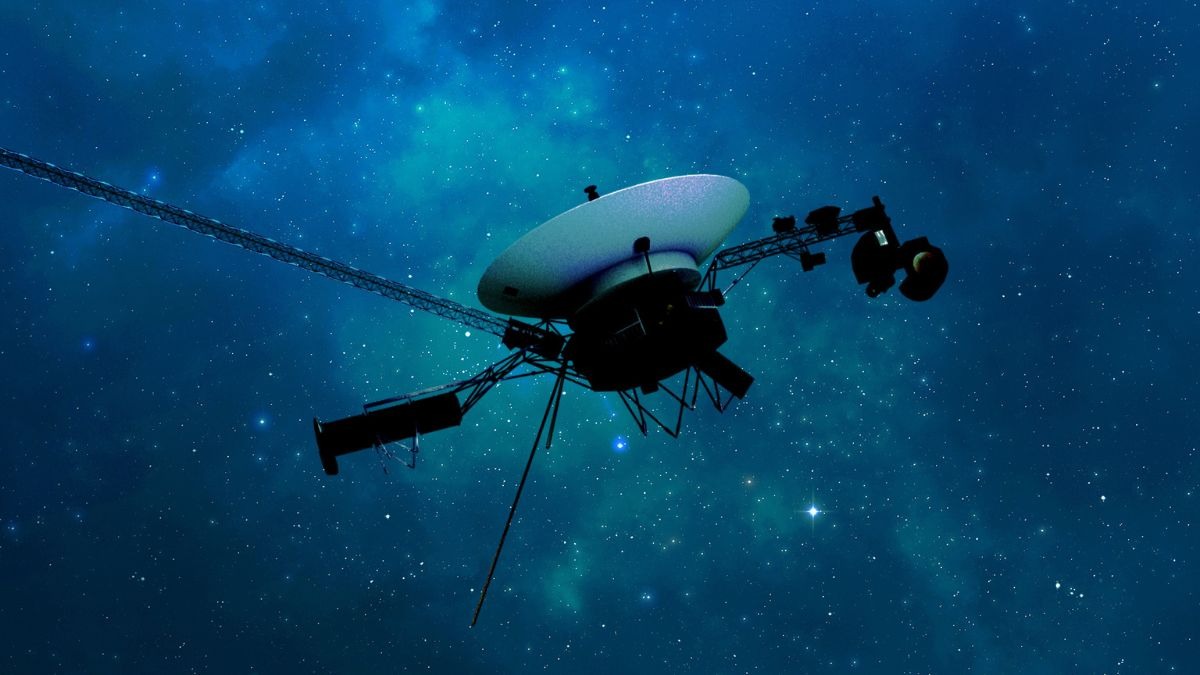
Voyager-1 Reaches One Light Day from Earth; Voyager-2's Position Explained
Sentiment: NeutralHigh Priority
What Happened?
NASA's Voyager-1 has become the first human-made object to travel one light day from Earth, while its twin, Voyager-2, remains 4.2 billion kilometers closer. Voyager-2 is expected to reach this milestone by November 1, 2035.
Key points
- Voyager-1 is currently 25.9 billion kilometers from Earth.
- Voyager-2 is approximately 21.7 billion kilometers from Earth.
- Voyager-2 was launched on August 20, 1977, 16 days before Voyager-1.
- Voyager-2 has visited Jupiter, Saturn, Uranus, and Neptune.
- A radio signal takes about 20 hours and 6 minutes to reach Voyager-2.
- Voyager-2 is expected to reach one light day from Earth by November 1, 2035.
Key insights
- The different trajectories of Voyager-1 and Voyager-2 illustrate the complexities of space travel.
- Voyager-2's unique path allows it to gather data from all four giant planets, enhancing our understanding of the solar system.
- The ongoing communication from both spacecraft continues to provide valuable scientific insights.
Why it matters
Understanding the distances and paths of these spacecraft helps scientists learn more about interstellar space.
Entities
NASA· OrganizationVoyager-1· SpacecraftVoyager-2· SpacecraftUranus· PlanetNeptune· PlanetJupiter· PlanetSaturn· Planet
Source
India Today


