GeneralTop StoryTop StoryLatest News
The 25-Day Trap: Why India's Farmers Burn Their Straw Every October
Sentiment: NeutralHigh Priority
What Happened?
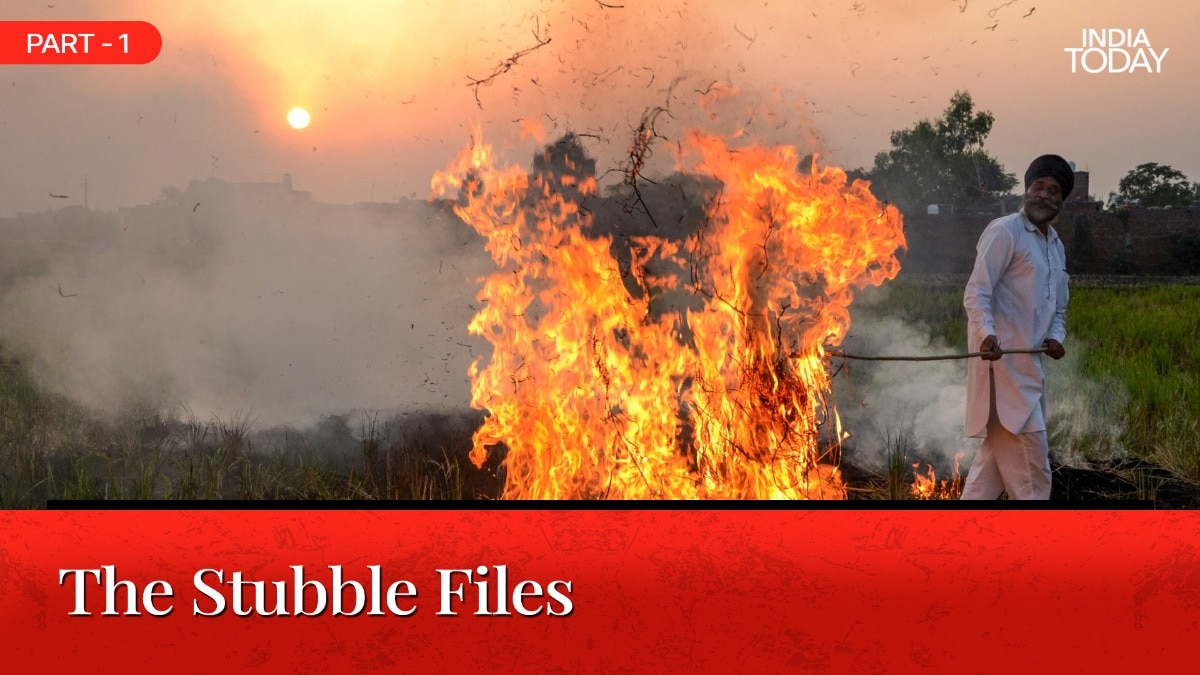
Every October, farmers in north India burn paddy straw to clear fields for the next crop. This practice is driven by time constraints and the high cost of alternative methods.
Key points
- Farmers burn paddy straw to clear fields quickly for wheat sowing.
- Madhya Pradesh, Punjab, and Uttar Pradesh are the top states for stubble burning.
- The combine harvester, introduced in the mid-1990s, leaves behind more straw.
- Farmers have three options: manual clearing, using machines, or burning.
- Over 80% of Indian farmers own small plots of land, making burning the most viable option.
- The Punjab Preservation of Subsoil Water Act restricts paddy sowing, reducing time for farmers.
Key insights
- The reliance on burning straw could lead to long-term soil degradation.
- Farmers may face increased pressure to adopt sustainable practices.
- Government policies may need to adapt to support farmers in transitioning away from burning.
Why it matters
This issue affects air quality and agricultural practices in north India.
Source
India Today