GeneralTop StoryTop StoryLatest News
Wearable Health Trackers Raise Awareness but Can't Replace Healthy Habits
Sentiment: NeutralHigh Priority
What Happened?
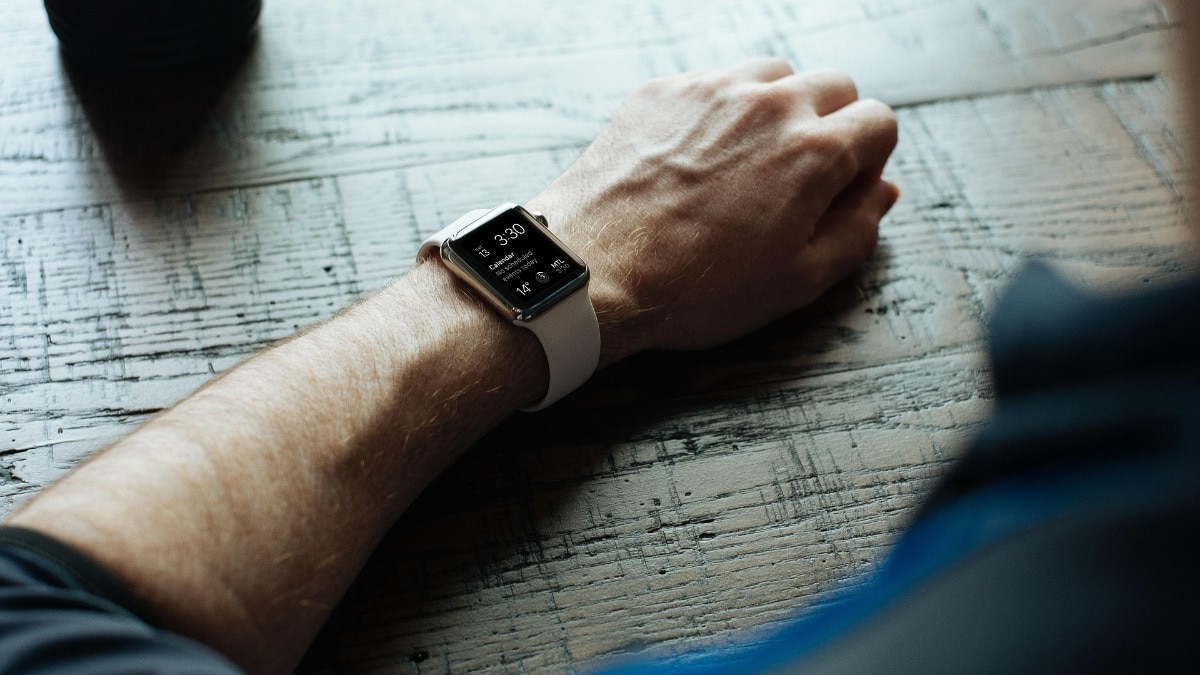
Wearable health devices, like smartwatches, help users track their health but do not guarantee better health. Experts emphasize the importance of using this data wisely.
Key points
- Wearable devices track daily steps, heart rates, and sleep patterns.
- Temple, a brain monitoring device by Zomato's founder, costs Rs 85,000.
- Experts caution that knowing health metrics doesn't equate to being healthy.
- Sleep tracking can help identify unhealthy patterns but should not be solely relied upon.
- Excessive tracking may lead to anxiety and stress over health metrics.
- Wearable devices cannot replace medical assessments or advice.
Key insights
- Wearable technology can enhance health awareness but should not dictate lifestyle.
- Users may misinterpret health data, leading to unnecessary stress.
- The effectiveness of wearables depends on how individuals apply the information they gather.
Why it matters
Understanding the limitations of wearable devices can help users make informed health decisions.
Tags
Entities
Deepinder Goyal· PersonZomato· Organization
Source
India Today